😂 Meme Museum — Loading...
✦ Welcome to Oldweb Diary ✦ A digital museum of early internet culture ✦ 50+ memes with origin stories ✦ This Day in Internet History ✦ Lost Media Vault ✦ Memory Wall ✦ Retro Assets Library ✦ Best viewed in 800×600 ✦ Est. 2026 ✦ oldwebdiary.com ✦ AIM us if you have to ✦
A curated archive of the internet's most iconic memes — complete with origin stories, year of birth, and the cultural context that made them spread.

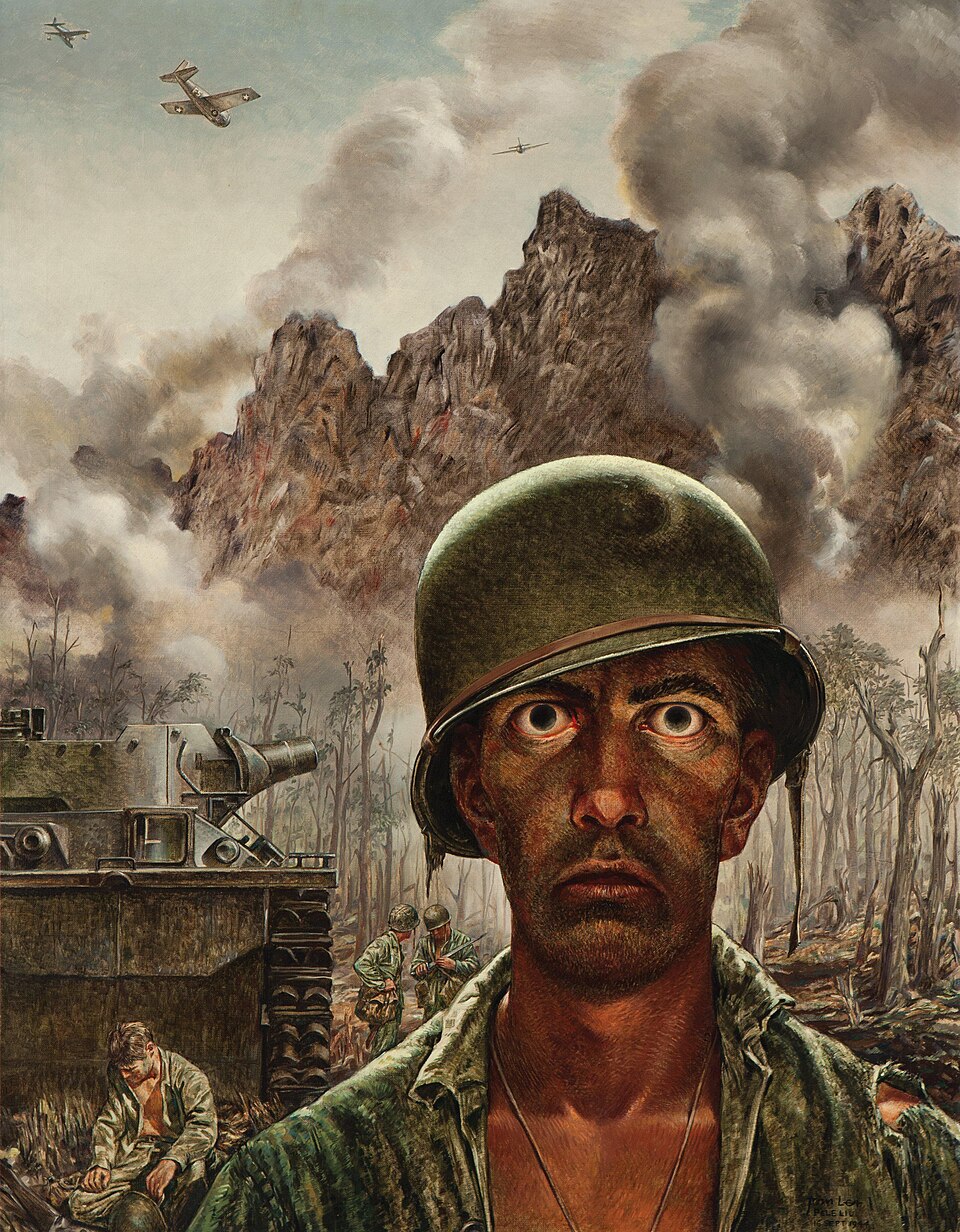
Thomas C. Lea III's 1945 painting depicting a soldier's exhausted expression became an internet meme in the early 2000s. The image represents being overwhelmed or mentally exhausted. It predates the internet but was adopted as a meme format around 2002-2003 for expressing resignation to terrible situations.

The term 'epic fail' emerged in the early 2000s on forums and message boards to describe spectacularly bad attempts at anything. By 2005-2006, it became a universal meme format accompanied by images of people failing. The phrase predates rage comics but spawned the entire fail video genre that dominated YouTube in the late 2000s.

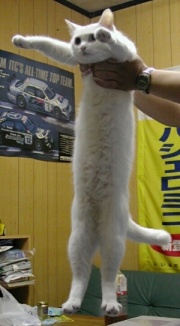
A white Shiba Inu cat named Longcat appeared on Japanese imageboard 2Chan in the mid-2000s. The cat's extreme length became a meme with the phrase 'Longcat is so long.' It spread internationally and became one of the first Japanese internet memes to achieve global recognition. The meme represents the early Japanese online culture that influenced Western memes.

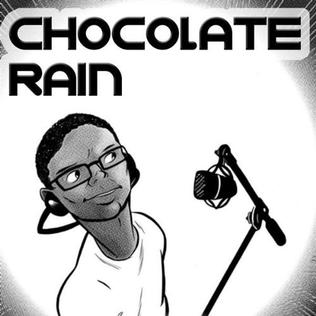
Tay Zonday's 2007 viral song about chocolate rain became one of the first YouTube videos to reach 10 million views. The deep voice and bizarre lyrics made it an instant meme. It exploded in 2007-2008 across every platform and remains one of the most recognizable early YouTube memes. Zonday's career was built entirely on this single viral moment.

From the 2000 film Finding Forrester, Sean Connery's awkward quote became the foundation for YTMND.com in 2001. The site grew into a major creative hub for remix culture and mashups. The phrase itself became a meme representing triumph and competence. YTMND.com pioneered the image macro format that dominated the 2000s internet.

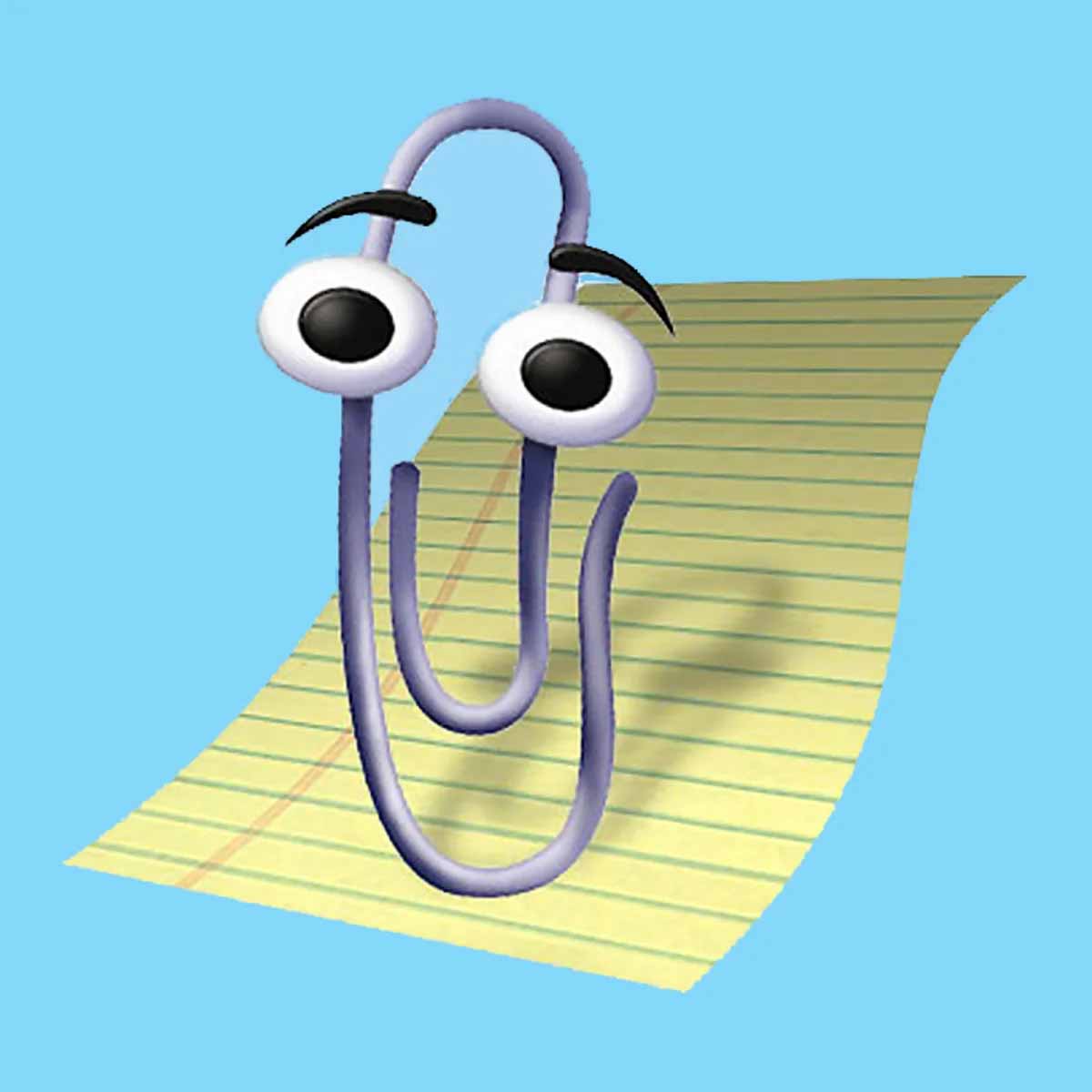
Microsoft Office's assistant character introduced in 1997. The paperclip with a face became infamous for being annoying and intrusive. Despite (or because of) its negative reception, Clippy became one of the most recognizable icons of the 90s computing era. References to 'killing Clippy' became a meme in itself, and the character remains culturally significant decades later.

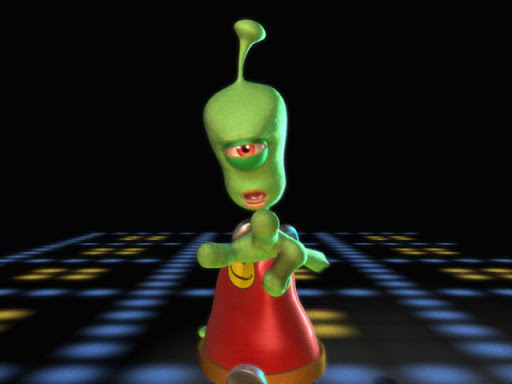
A 45-second clip from the late 1990s showing an alien singing Gloria Gaynor's 'I Will Survive' before getting crushed by a falling object. One of the first viral video clips that parents showed to their kids. The absurdity of an alien singing a disco song made it a cultural touchstone of the pre-YouTube internet era.

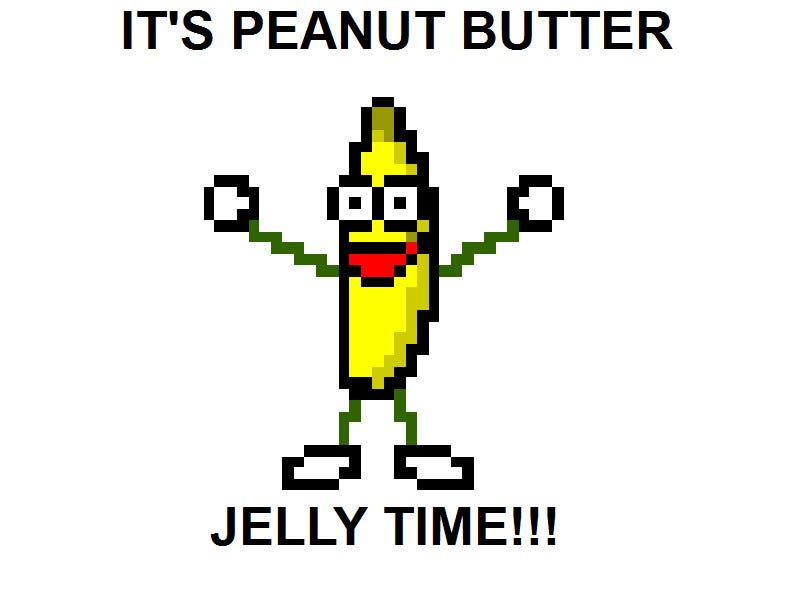
The Banana Man dancing to the song 'Peanut Butter Jelly Time' by Buckwheat Boyz became a viral phenomenon in 2002. The animated dancing banana character spread through email chains and early social media. It reached peak popularity in 2003-2004, appearing on everything from t-shirts to TV shows. It was one of the first animated GIF memes and is considered one of the earliest emojis.

The smiley face symbol became a mass-cultural icon in the 1960s and 1970s, appearing on buttons, shirts, ads, and merchandise. Its simple expression made it one of the earliest universally understood visual reactions.

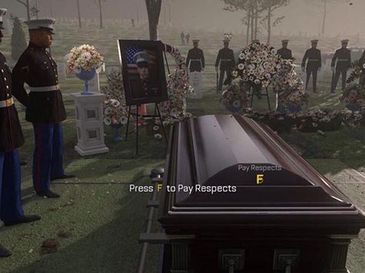
From the 2014 game Call of Duty: Advanced Warfare, where players must press the F key to pay respect to a deceased character. The moment became a meme in 2014-2015 for expressing respect or mourning. It's one of the most recognizable gaming memes and is still used in modern contexts.

An image macro series from 2019 showing a brain progressively growing larger with each panel, representing increasingly absurd ideas. Created by Twitter user, it became a universal format for showing escalation of ridiculous thinking. The meme format is also known as 'Expanding Brain' and remains popular.

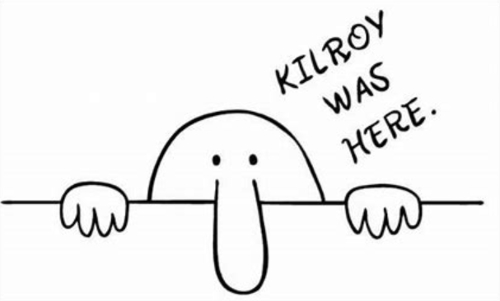
A famous graffiti-style phrase that spread widely during World War II. Soldiers drew it on walls, ships, and military equipment, turning it into an early viral symbol of presence and mischief.