😂 Meme Museum — Loading...
✦ Welcome to Oldweb Diary ✦ A digital museum of early internet culture ✦ 50+ memes with origin stories ✦ This Day in Internet History ✦ Lost Media Vault ✦ Memory Wall ✦ Retro Assets Library ✦ Best viewed in 800×600 ✦ Est. 2026 ✦ oldwebdiary.com ✦ AIM us if you have to ✦
A curated archive of the internet's most iconic memes — complete with origin stories, year of birth, and the cultural context that made them spread.

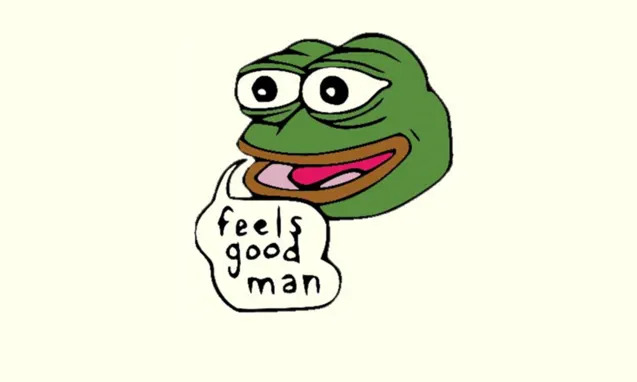
Created by artist Matt Furie in 2005 as part of his comic Boy's Club. The character Pepe originally appeared with the catchphrase 'feels good man'. He spread to Myspace and 4chan around 2008 and became one of the most versatile and widely used meme templates in internet history, representing everything from happiness to sadness to smugness. Furie later fought extensive legal battles to reclaim his character.

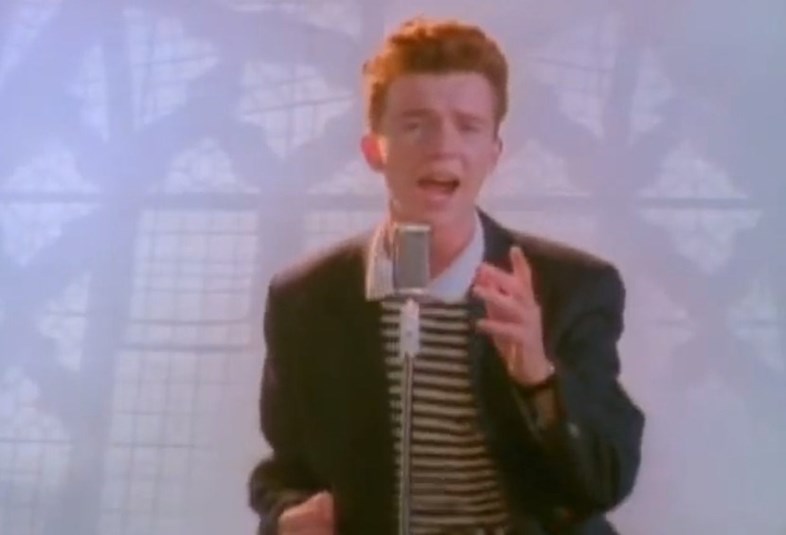
A bait-and-switch prank where a hyperlink appearing to lead to relevant content instead leads to Rick Astley's 1987 music video 'Never Gonna Give You Up'. Originated on 4chan in 2007, evolved from an earlier prank called 'duckrolling'. It became so widespread that Rick Astley himself participated in a Rickroll at the 2008 Macy's Thanksgiving Day Parade. It remains active to this day — you never stop getting Rickrolled.

In December 2004, Gary Brolsma filmed himself lip-syncing and dancing enthusiastically to the Romanian pop song 'Dragostea Din Tei' by O-Zone while sitting at his computer. Posted to Newgrounds, it became one of the first webcam videos to go massively viral before YouTube even existed. Brolsma reportedly became embarrassed by the attention and briefly went into hiding before embracing his internet fame.
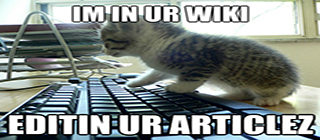

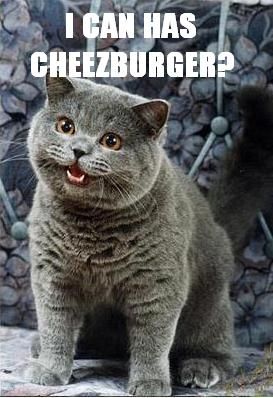
LOLcats are images of cats with intentionally misspelled captions written in a broken English dialect known as 'lolspeak'. The format began on 4chan's imageboards around 2006 and exploded into mainstream culture in 2007 with the launch of icanhascheezburger.com. The site generated millions of daily visitors and spawned an entire genre of animal image macros.

A photo taken by Laney Griner in 2007 of her then 11-month-old son Sammy at a beach, fist clenched in what looks like a determined gesture of triumph. Originally captioned 'I Hate Sandcastles' on Flickr, it was later rebranded as Success Kid and became one of the most widely used reaction images for expressing triumph or satisfaction. Griner successfully licensed the image and used its earnings to help pay for her husband's kidney transplant.

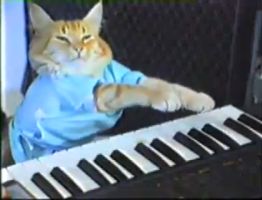
Originally filmed by Charlie Schmidt in 1984 — making it one of the oldest internet memes by original footage date. The video of his cat Fatso wearing a blue shirt and appearing to play a keyboard was uploaded to YouTube in 2007. It became a punchline format: a fail video would play, then cut to Keyboard Cat as if to say 'play him off'. Schmidt's cat Fatso passed away before the video went viral, but he adopted a new cat and continued the tradition.

The I Can Has Cheezburger meme began in January 2007 when Eric Nakagawa posted a photo of a large British Shorthair cat with the caption 'I CAN HAS CHEEZBURGER?' The image spawned an entire genre of cat macros using deliberately bad grammar — lolspeak. The website icanhascheezburger.com became one of the most visited sites in the world in 2007 and spawned an entire media company.

A 5-second clip of a prairie dog — not a chipmunk — turning dramatically to face the camera, set to a suspenseful orchestral sting from the Japanese variety show Hello Morning. Uploaded to YouTube in 2007, it became one of the most remixed and referenced clips of the Web 2.0 era. Despite being obviously a prairie dog, the internet insisted on calling it a chipmunk and the name stuck forever.

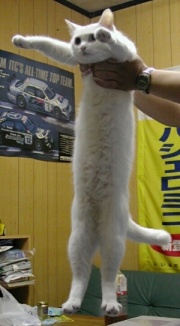
A white Shiba Inu cat named Longcat appeared on Japanese imageboard 2Chan in the mid-2000s. The cat's extreme length became a meme with the phrase 'Longcat is so long.' It spread internationally and became one of the first Japanese internet memes to achieve global recognition. The meme represents the early Japanese online culture that influenced Western memes.

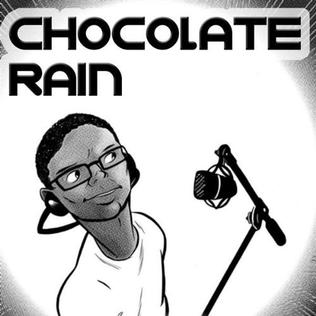
Tay Zonday's 2007 viral song about chocolate rain became one of the first YouTube videos to reach 10 million views. The deep voice and bizarre lyrics made it an instant meme. It exploded in 2007-2008 across every platform and remains one of the most recognizable early YouTube memes. Zonday's career was built entirely on this single viral moment.