😂 Meme Museum — Loading...
✦ Welcome to Oldweb Diary ✦ A digital museum of early internet culture ✦ 50+ memes with origin stories ✦ This Day in Internet History ✦ Lost Media Vault ✦ Memory Wall ✦ Retro Assets Library ✦ Best viewed in 800×600 ✦ Est. 2026 ✦ oldwebdiary.com ✦ AIM us if you have to ✦
A curated archive of the internet's most iconic memes — complete with origin stories, year of birth, and the cultural context that made them spread.

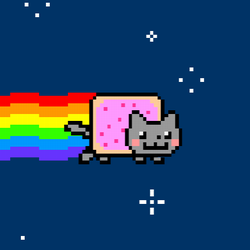
Created by Christopher Torres in April 2011, Nyan Cat is an 8-bit animation of a cat with a Pop-Tart body flying through space trailing a rainbow, set to a looping Japanese pop song by Momone Momo. The YouTube video was submitted to a 24-hour marathon stream and accumulated over 100 million views. It sold as an NFT in 2021 for approximately $600,000.

A 5-second clip of a prairie dog — not a chipmunk — turning dramatically to face the camera, set to a suspenseful orchestral sting from the Japanese variety show Hello Morning. Uploaded to YouTube in 2007, it became one of the most remixed and referenced clips of the Web 2.0 era. Despite being obviously a prairie dog, the internet insisted on calling it a chipmunk and the name stuck forever.

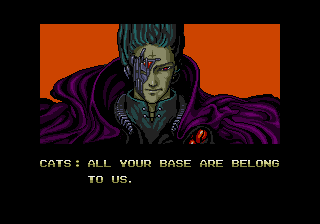
Born from a notoriously bad English translation of the 1989 Japanese arcade game Zero Wing. The opening cutscene featured the villain CATS delivering the line 'All your base are belong to us' to the game's captain. The phrase went viral in 2001 through a Flash video that set the quote to music and spawned thousands of image macros. It was one of the first major coordinated internet memes.
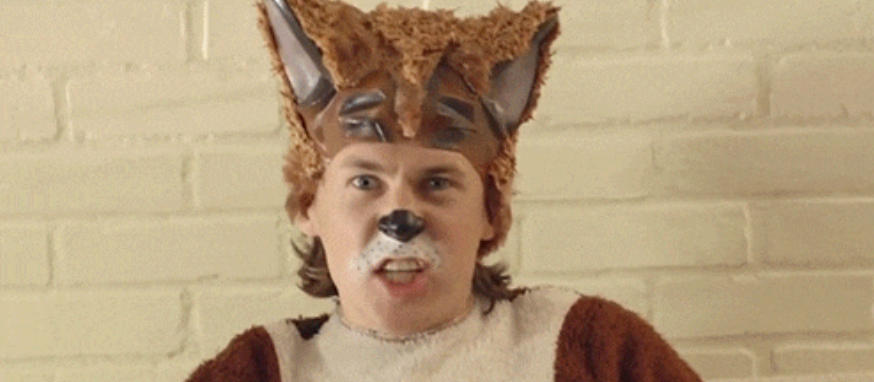
Norwegian comedy duo Ylvis released 'The Fox (What Does the Fox Say?)' on September 3, 2013 as a joke to promote their TV show. Instead of flopping as intended, it became one of the most viewed YouTube videos of the year with over 800 million views. The absurdist animal sounds became a cultural touchstone and the song charted in multiple countries entirely by accident.

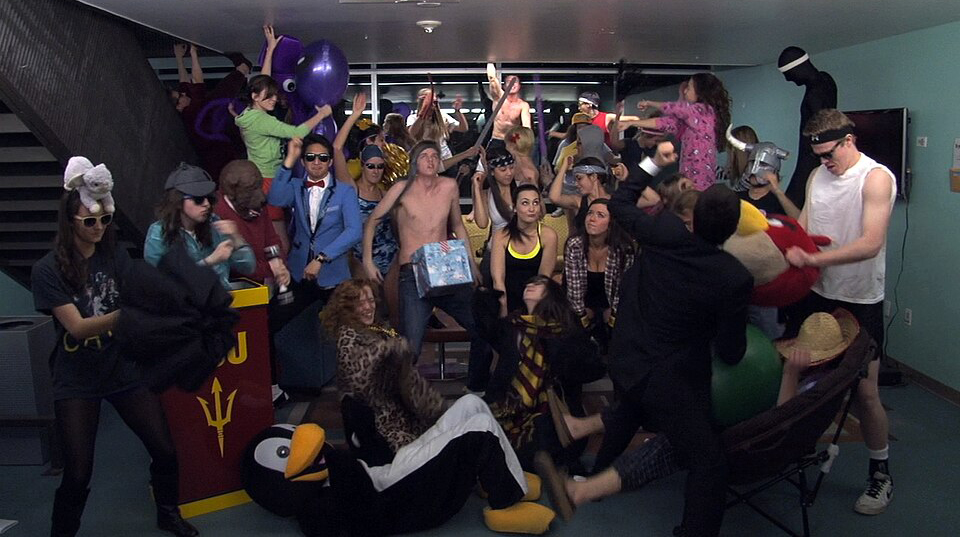
In February 2013, a group of friends posted a video following a specific format — one person dancing alone while everyone around them ignores it, then a cut to everyone dancing chaotically. Within two weeks, over 40,000 versions had been uploaded to YouTube generating 175 million views. The song itself, by producer Baauer, reached number one on the Billboard Hot 100 entirely because of the meme.

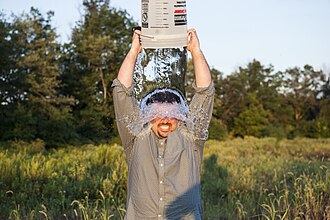
The Ice Bucket Challenge went viral in the summer of 2014 as a fundraiser for ALS research. Participants filmed themselves dumping buckets of ice water on their heads and challenged others to do the same. Over 17 million videos were shared on Facebook alone. The campaign raised over $115 million for the ALS Association — one of the most successful viral fundraising campaigns in history.

The original rage comic was posted to 4chan in 2008 depicting a man's frustrating experience while using the toilet. The stick figure's screaming face became known as Rage Guy or FFFFFFUUUUU face. It spawned an entire genre of four-panel rage comics expressing everyday frustrations that dominated Reddit and 9GAG from 2009 to 2012.

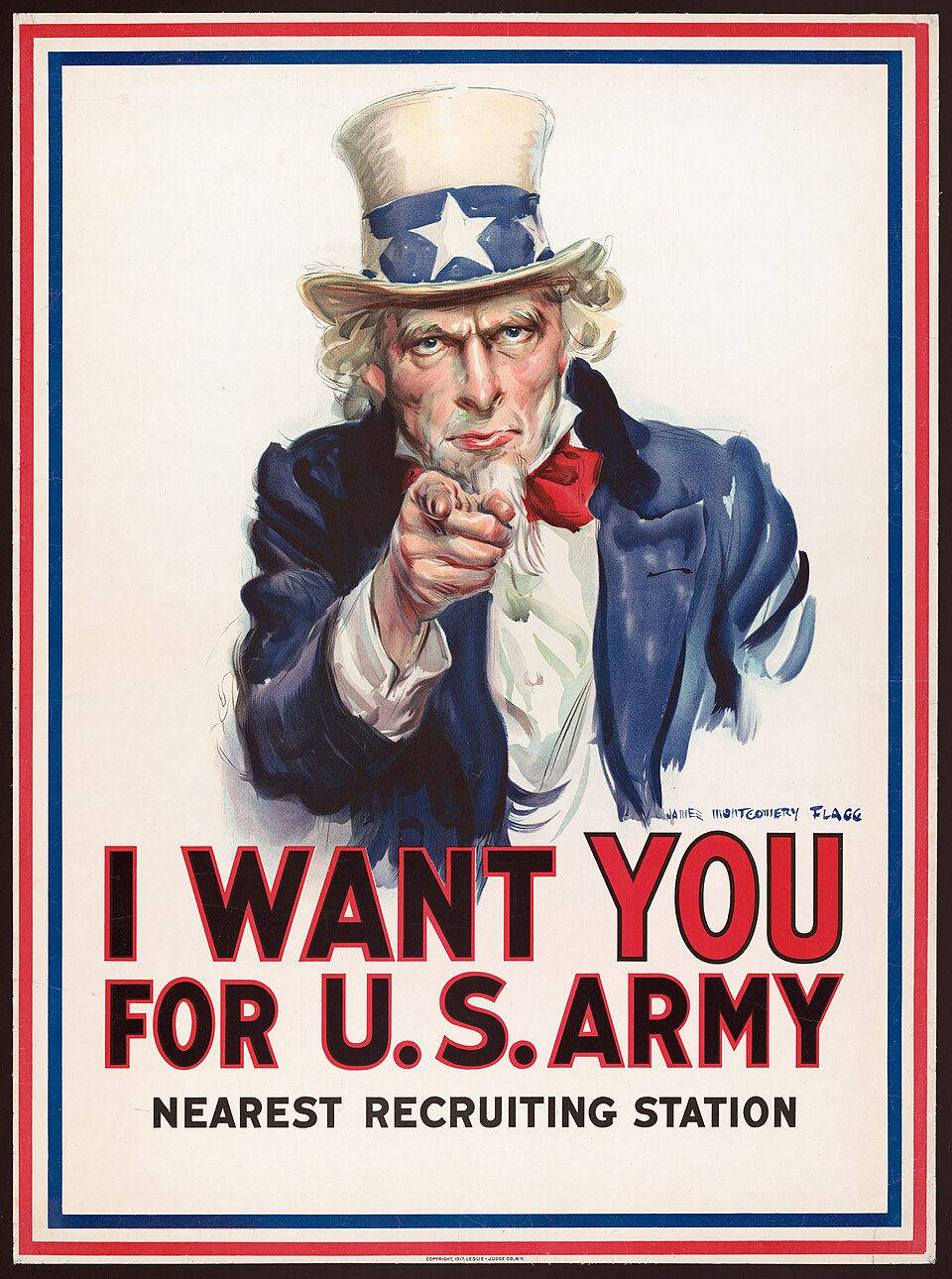
The iconic recruiting poster from the early 20th century became one of the most repeated political images in American culture. Its pose and phrasing were copied, parodied, and referenced for decades.

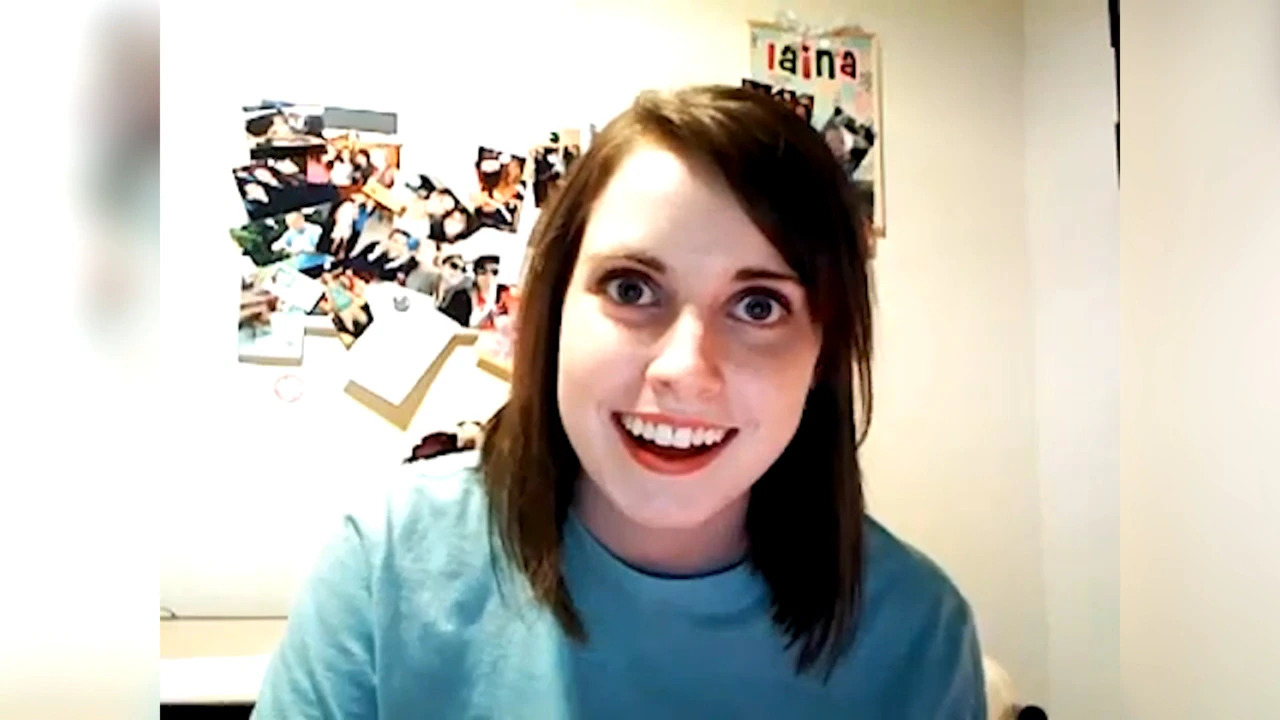
Laina Morris uploaded a parody video of Justin Bieber's 'Boyfriend' from her boyfriend's perspective on June 6, 2012. A screengrab of her intense stare became one of the most popular image macro templates of 2012–2013, used to represent obsessive or clingy behavior. Morris later became a successful YouTuber and retired from internet fame in 2019 on her own terms.

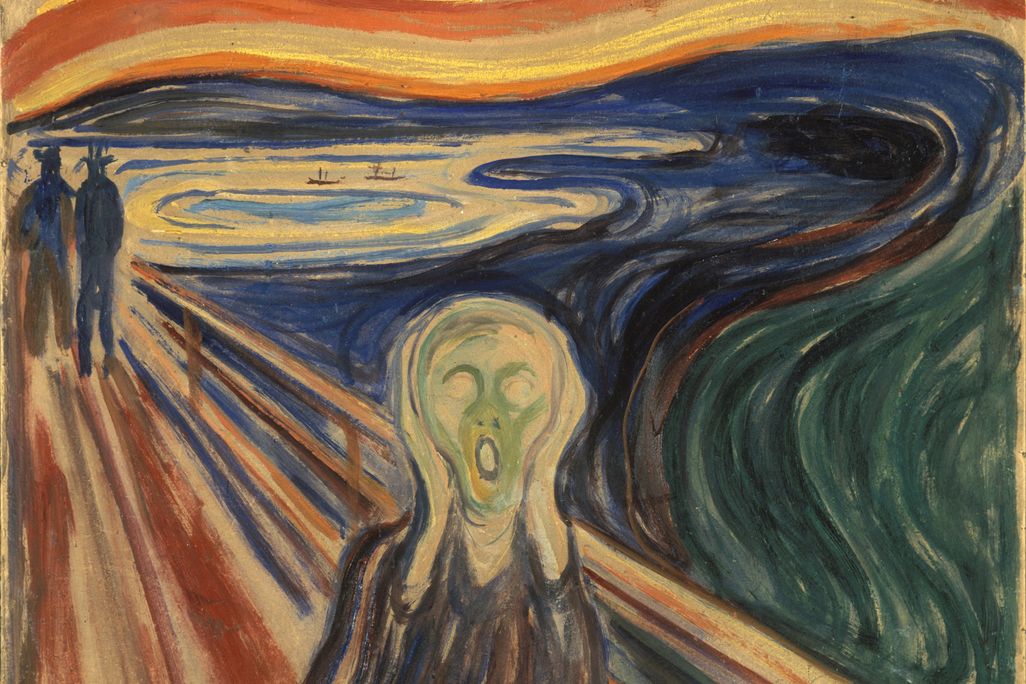
Edvard Munch’s 1893 painting became a widely reused visual shorthand for panic, dread, and existential anxiety. Long before internet memes, the image was already being reproduced and adapted in popular culture.

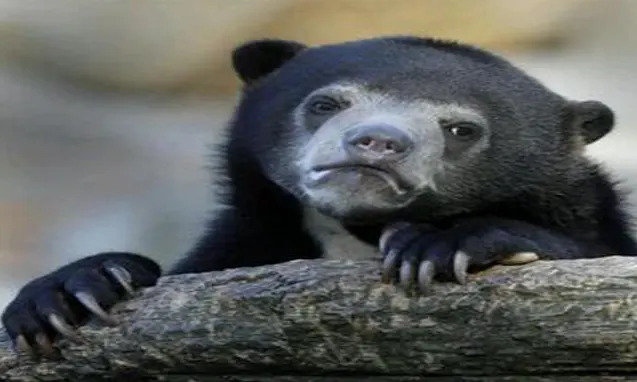
Based on a stock photo of a Malaysian sun bear with a sad expression, Confession Bear became a meme template in 2012 on Reddit where users would share genuine dark secrets or uncomfortable truths. It became one of the most emotionally complex meme formats — people used it to confess everything from harmless quirks to genuinely disturbing admissions.

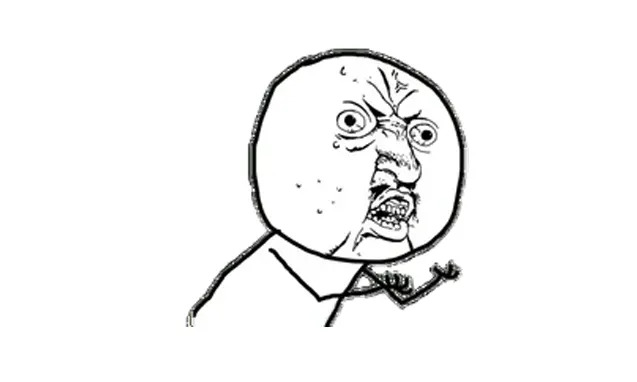
Based on a character from the Japanese manga Gantz, the Y U NO Guy meme features a crudely drawn stick figure with an angry expression and the text 'Y U NO [do something]?' The format was popularized on Tumblr and Reddit in 2010–2011 and became one of the most recognizable rage face characters of the early 2010s internet.